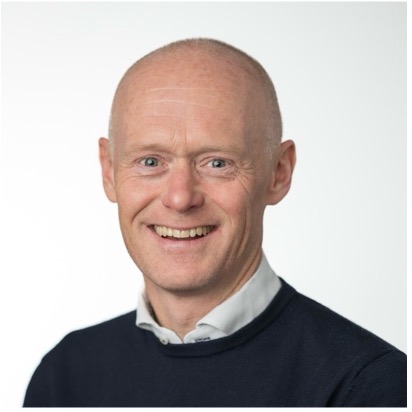
EEMGS has always been a unique community, bringing scientists from academia, industry, governmental and regulatory agencies together. In my experience, genetic toxicology is really an example to other areas of toxicology. Basic understanding of DNA damage induction, DNA repair and mutagenesis is daily used by industry to develop safer products, personalized treatment and by regulators to ensure the safety to humans.
During the last 20 years, the field of genetic toxicology changed significantly. The major DNA repair systems have been elucidated and we have a pretty good understanding of how DNA damage leads to mutations and disease. An absolute highlight was the Nobel prize for the discovery of various DNA repair mechanisms. Also, the development of new technologies like CRISPR/Cas-mediated genome editing and RNA/DNA sequencing technologies opened a whole new field of research. With a Nobel prize in 2020 for the development of the CRISPR/Cas technology. Quantitative dose-response modelling of genotoxicity data using the BMD approach opened a whole new spectrum of opportunities for in vitro to in vivo extrapolation and improving human risk assessment.
Genetic toxicology has become an applied science. My personal ambition is to bring scientists from academia, industry and regulatory agencies together to move the field forward. In particular the implementation of in vitro technologies as alternative to animal testing.
My background
My journey in genetic toxicology started in 2004, when I joined the department of Toxicogenetics at Leiden University. The lab was headed by Prof. Leon Mullenders, who later became the president of EEMGS. The first years, I worked as a post-doc on UV light-induced mutagenesis and the impact of transcription and DNA replication. I learned all the basics about DNA damage responses and DNA repair. During this time, I also got introduced to EEMGS.
Later, my research shifted to more applied projects, using toxicogenomics to understand how cells respond to DNA damage. We applied the identified biomarker genes to engineer reporter systems that we could use to study genotoxicity and learn more about the mode of action of genotoxic and non-genotoxic compounds. A selection of these reporter cell lines ultimately led to the development of the ToxTracker assay. During this time, the EEMGS meetings have always been a great opportunity to present and discuss my research and to start new collaborations.
In 2014, I seized the opportunity to start the company Toxys. After leaving the university, Toxys got its own laboratory at the Leiden Bio Science Park. During the past 10 years, I worked to develop the company into an internationally recognised contract research organisation in genetic toxicology and chemical safety testing for the pharmaceutical, cosmetics and chemical industry. However, I never lost my passion for science and interest in genetic toxicology. I continued to attend the EEMGS meetings and other genetic toxicology conferences. I am currently the president of the Dutch EMS society and Toxys is actively involved in the Genetic Toxicology Technical Committee (GTTC) and Hesi.
